
Quick Answer
For the Everest Base Camp trek in 2027 you need two permits: the Sagarmatha National Park entry permit at $30 and the Khumbu Pasang Lhamu rural municipality fee at $20, for a total of $50 per person. You no longer need a TIMS card if you fly to Lukla, because the Khumbu municipality fee replaced the local TIMS for the Khumbu region. Both are paid in cash at checkpoints on the trail or in advance in Kathmandu.
The permit system for Khumbu was simplified in recent years to reduce overlap, but many operators still mention TIMS out of habit. The key point is that the Sagarmatha permit plus the Khumbu Pasang Lhamu fee covers the standard EBC route from Lukla to Base Camp and back. If you start from Jiri or Salleri, the rules shift slightly and TIMS comes back into play.
Detailed Breakdown
The Sagarmatha National Park permit funds conservation inside the park boundary, which begins at Monjo on the standard Lukla route. You pay it at the park gate in Monjo or buy it in advance at the Nepal Tourism Board office in Kathmandu. The permit is checked again at Jorsalle and at several points higher up, so keep the receipt with your passport.
The Khumbu Pasang Lhamu rural municipality fee replaced the local TIMS card for trekkers flying into Lukla. It funds local infrastructure and is paid at the Lukla checkpoint or in advance in Kathmandu. If you walk in from Jiri or Salleri instead of flying, you pass through non-Khumbu districts first and need a standard TIMS card ($20 for foreign trekkers) in addition to the Sagarmatha permit.
Cost / Component Breakdown
Here is the full permit cost table for the standard Lukla to EBC route in 2027.
| Permit | Cost (USD) | Where to Buy |
|---|---|---|
| Sagarmatha National Park entry | $30 | Monjo gate or Kathmandu Tourism Board |
| Khumbu Pasang Lhamu fee | $20 | Lukla checkpoint or Kathmandu |
| TIMS card (only if entering via Jiri or Salleri) | $20 | Kathmandu Tourism Board or registered agency |
| Gaurishankar Conservation Area (only for Salleri route) | $30 | Checkpoints on route |
| Standard Lukla route total | $50 | Per person |
These fees are the same for all foreign trekkers regardless of nationality in 2027. SAARC nationals pay a reduced rate for the Sagarmatha permit, around $15.
What Affects the Answer
Your starting point is the main factor, because flying to Lukla versus walking in from Jiri changes which permits apply. Your route also matters, since side trips into the Gokyo valley or over the Three Passes stay inside the same permit zones. Whether you book through an agency affects convenience but not the fee, because the costs are fixed by the government.
- Entry point: Lukla flights need the two-permit set; Jiri and Salleri walks add TIMS and possibly Gaurishankar.
- Side trips: Gokyo Lakes and Three Passes stay within the same Sagarmatha and Khumbu permit area.
- Nationality: SAARC citizens get a reduced Sagarmatha fee; everyone else pays full price.
- Agency vs independent: Agencies pre-arrange permits; independent trekkers buy them at checkpoints.
- Length of trek: Both permits are flat-fee, so length does not change the cost.
Booking Tips / Practical Advice
Carry six passport photos and your original passport, because both permits require photos and passport details. Carry cash in NPR or USD, because the Monjo and Lukla checkpoints do not always accept cards. Keep your permit receipts accessible, ideally in a waterproof sleeve with your passport, because rangers check them at Jorsalle, Namche, Pangboche and Gorak Shep. If you buy permits in Kathmandu at the Tourism Board office in Bhrikutimandap, allow half a day and arrive before 11am to avoid queues.
If you are trekking with an agency, confirm in writing that permit fees are included in the package, because some quotes list them as extra. Trekkers who arrange independently should download the permit forms from the Nepal Tourism Board website to save time at the office. Do not laminate your permits, because rangers stamp them at checkpoints.
Comparison With Alternatives
Compared to the Annapurna region, where the ACAP and TIMS total $50, Khumbu is the same total but split differently. Manaslu is far more expensive because of the Restricted Area Permit that adds $100 to $175 per person. Upper Mustang and Upper Dolpo are the priciest, with restricted permits of $500 for ten days. If low permit cost is your priority, the Annapurna and Khumbu regions are the best value, with Langtang coming in cheapest at around $40 total.
Common Mistakes to Avoid
Do not assume TIMS is required for the Lukla route, because that leads to paying for a permit you do not need. Do not forget passport photos, because checkpoints will not issue permits without them. Avoid arriving at Monjo or Lukla without enough cash, since the nearest reliable ATM is in Namche and often runs dry. Finally, do not lose your permit receipts, because rangers ask for them at multiple checkpoints and replacing them wastes a day.
Frequently Asked Questions
Here are the permit questions trekkers ask us before flying to Lukla.
Summary
The Everest Base Camp trek in 2027 needs two permits costing $50 total: the Sagarmatha National Park entry and the Khumbu Pasang Lhamu fee. TIMS only applies if you walk in from Jiri or Salleri. Carry passport photos, cash and your original passport, keep receipts accessible, and confirm with your agency whether permits are included in your package.
Conclusion
The EBC permit system is one of the simplest in Nepal, with just two fees for the standard Lukla route. Buy them in Kathmandu to save time, keep your receipts dry, and you will pass every checkpoint smoothly. With permits sorted, you can focus on the altitude, the views and the experience of standing at the foot of Everest.
Recommended Trek Packages
Trekking Places to Explore
Explore Trips in Nepal
Hand-picked guided trips to this destination
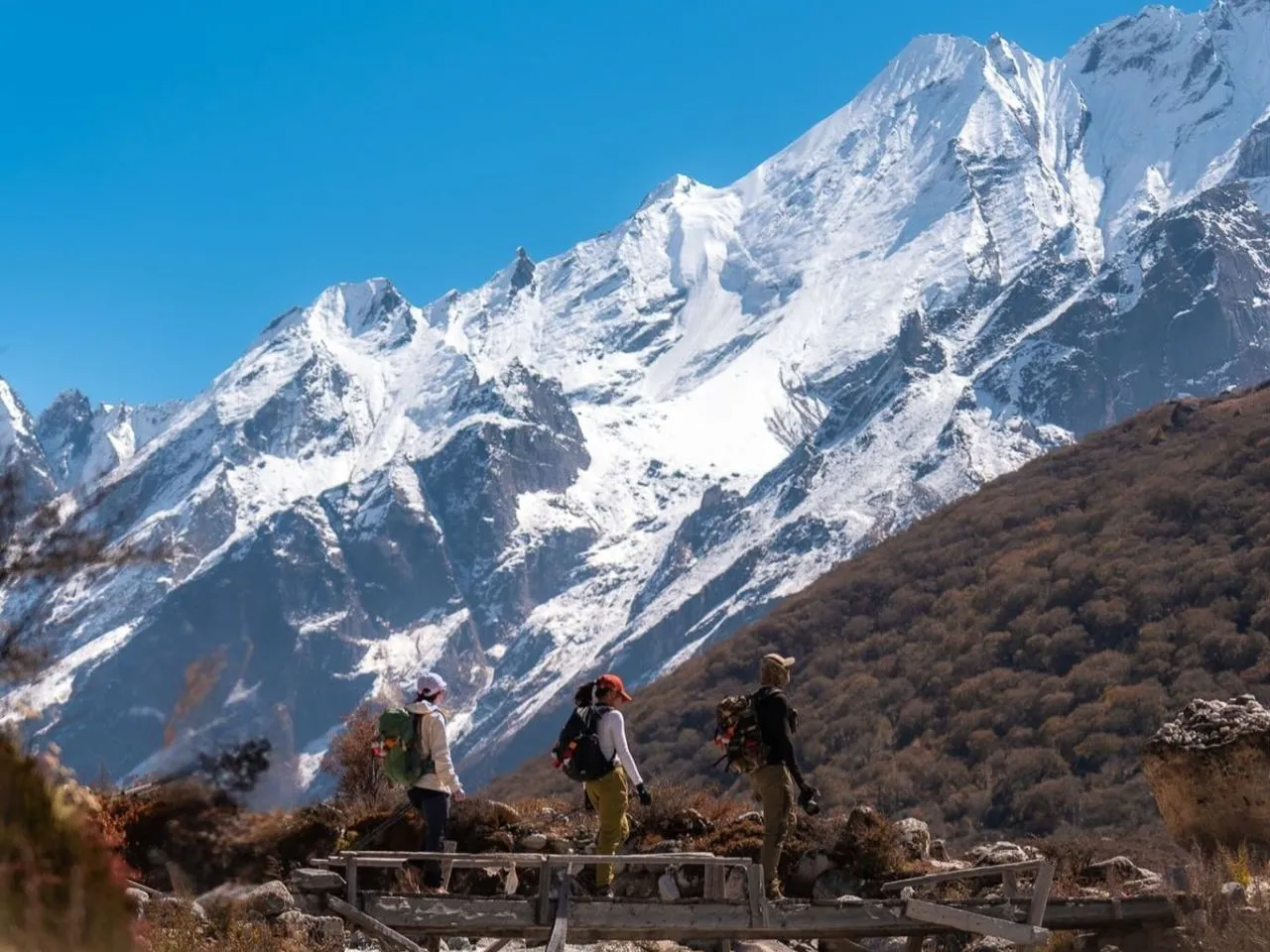
Langtang Luxury Trek – 10 Days
Langtang Luxury Trek – 10 Days
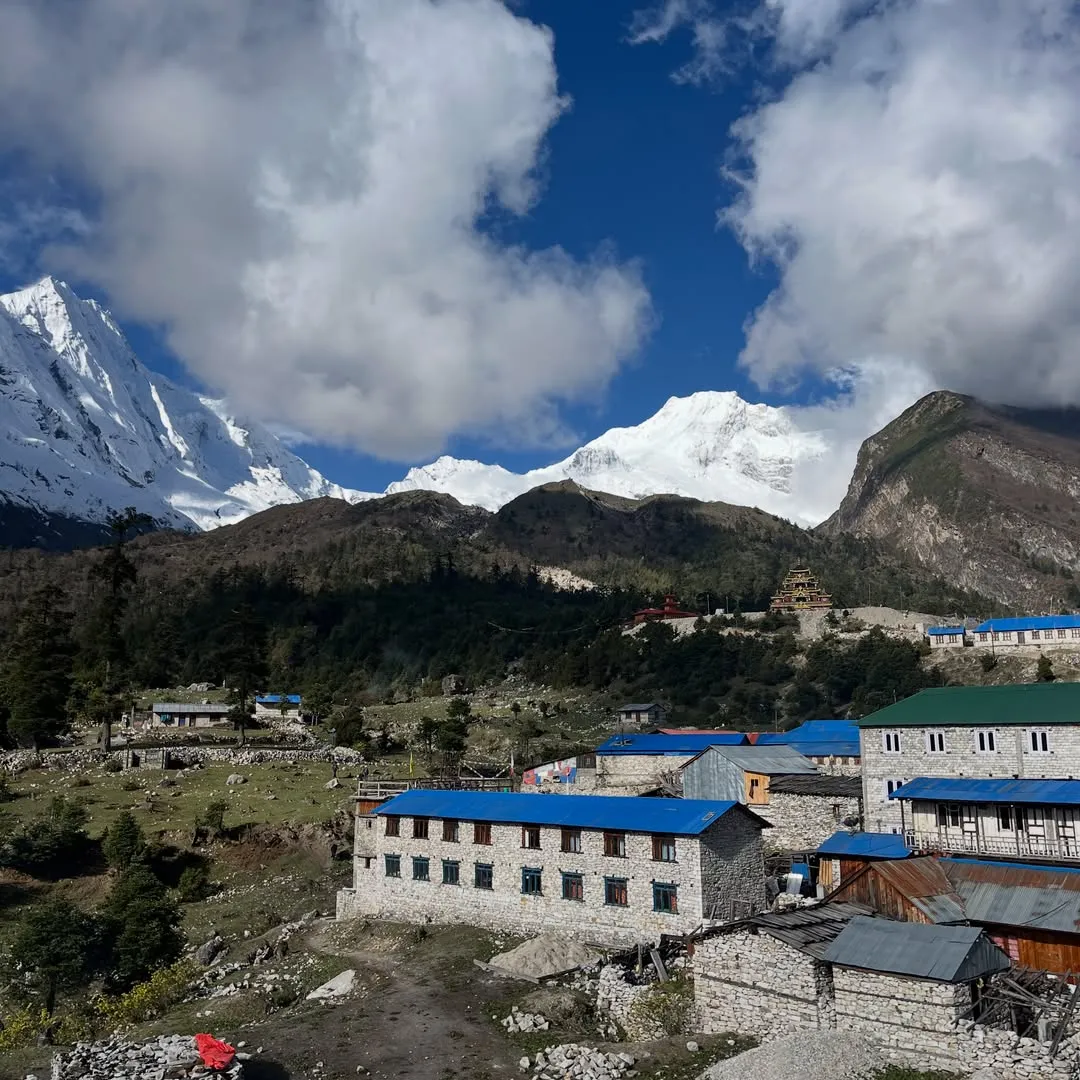
Manaslu Family Trek – 12 Days
Manaslu Family Trek – 12 Days
Manaslu Luxury Trek – 14 Days
Manaslu Luxury Trek – 14 Days

Manaslu Photography Trek – 17 Days
Manaslu Photography Trek – 17 Days
 English
 Deutsch
 Svenska
 Dansk
Dansk Русский
 Français
 Português
 Español
 Polski
 简体中文
简体中文 日本語
日本語 ไทย
ไทย العربية
 한국어
한국어