Upper Dolpo Circuit Trek 24 Days

24 Days

The Upper Dolpo Circuit trek isn’t just a trek, it’s an expedition into one of the last untouched corners of the Himalayas. From sacred monasteries and ancient trade routes to high passes and crystal-blue lakes, this journey offers adventure, spirituality, and cultural immersion in equal measure.

  • Flight
  • High Altitude Rural trek
  • 5670 M
  • Veg 3 times
  • English
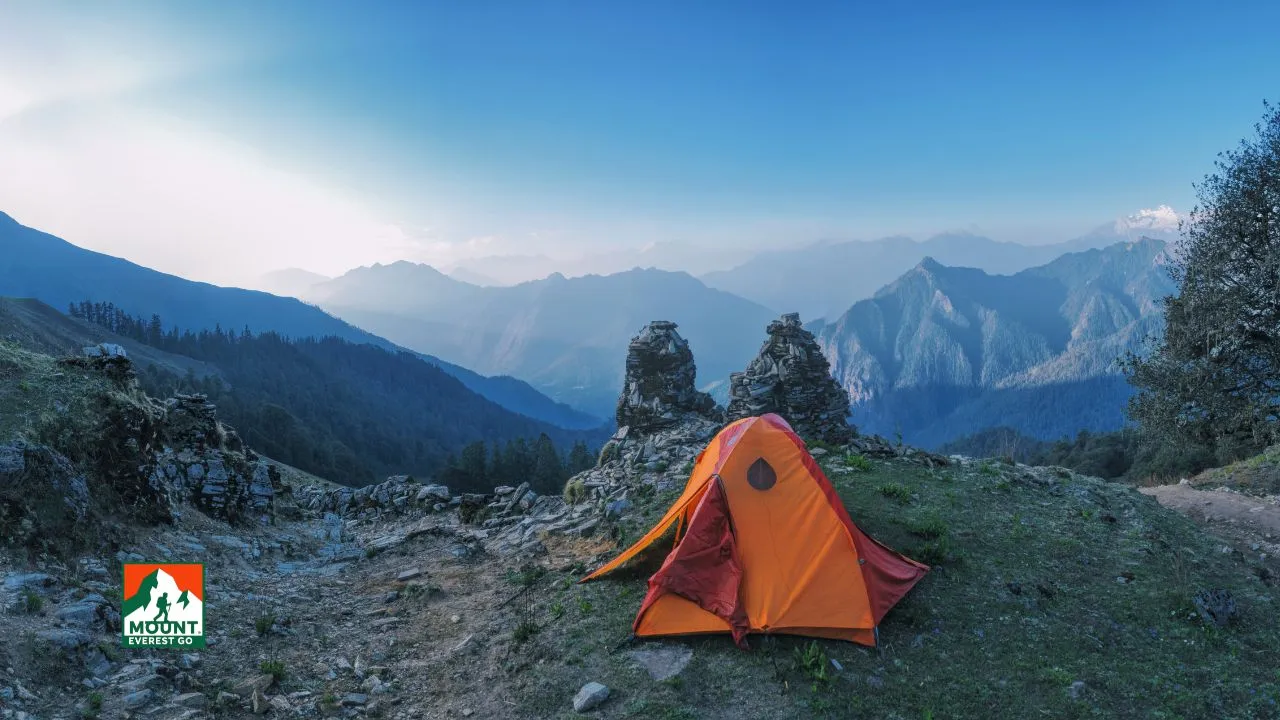
  • Camping

Introduction to Upper Dolpo Circuit Trek

The Upper Dolpo Circuit Trek is one of Nepal’s most remote and adventurous trekking journeys. Hidden between the Tibetan Plateau and the Dhaulagiri range in northwestern Nepal, Dolpo has long been a land of mystery. For centuries, the region remained isolated from the outside world, only opening to foreign travelers in the late 1980s.

Today, it remains a restricted area, requiring special permits to enter. This makes the Upper Dolpo Circuit an exclusive trekking experience, ideal for adventurers who want untouched landscapes, authentic Himalayan culture, and a challenging high-altitude journey.

Highlight of Upper Dolpo Circuit Trek

  • Walk along the historic trade routes once used by trans-Himalayan traders.
  • Experience the dry, rain-shadowed landscapes of Dolpo.
  • Explore Shey Phoksundo National Park, home to rare flora and wildlife.
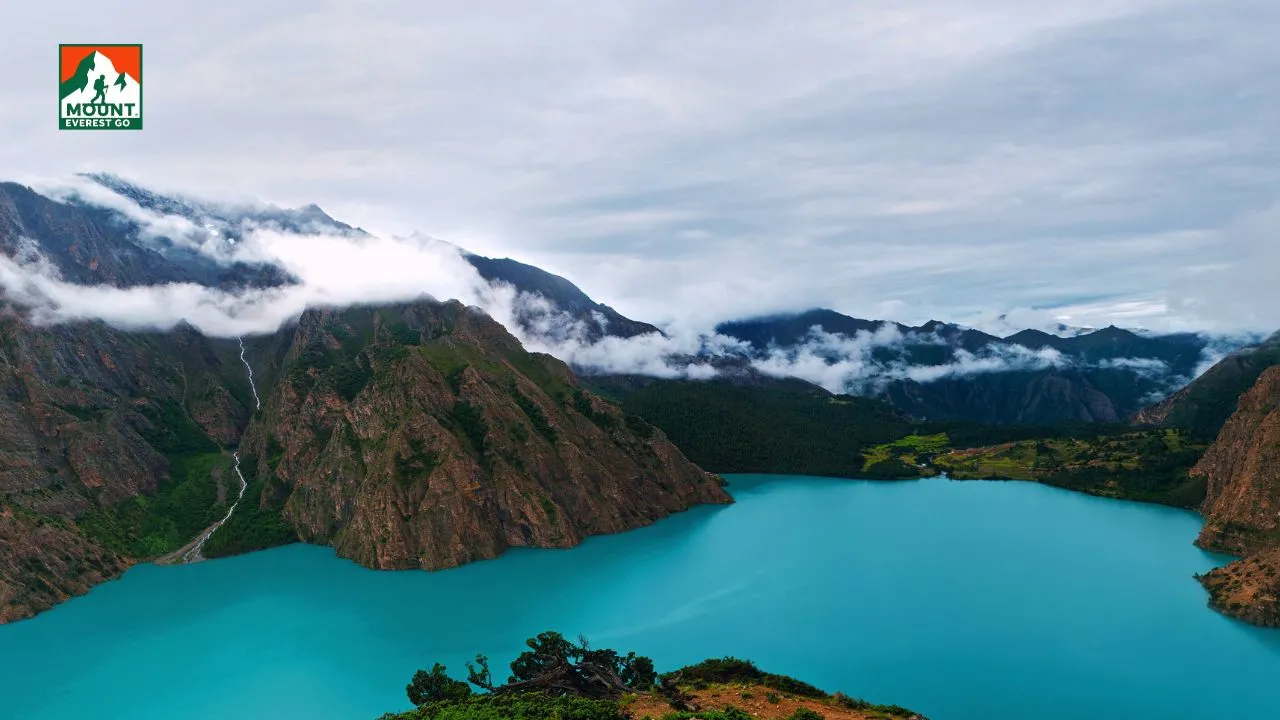
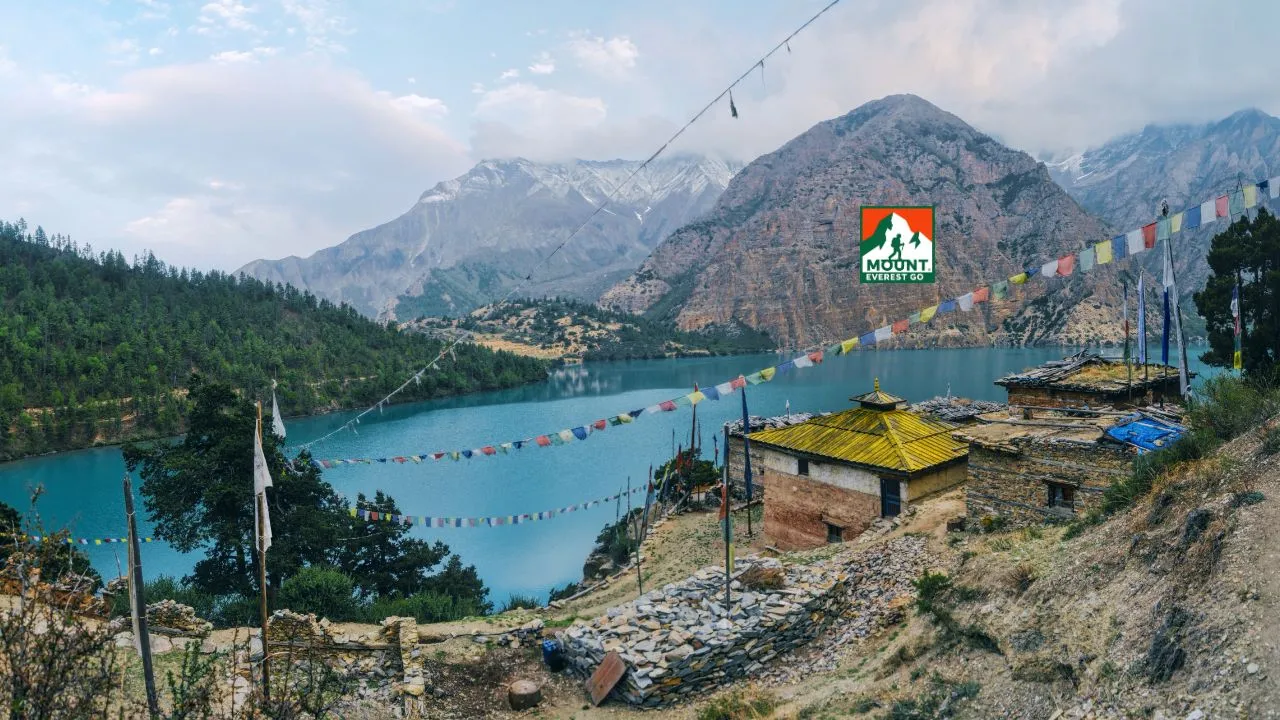
  • Witness the turquoise waters of Phoksundo Lake and the sacred Crystal Mountain.
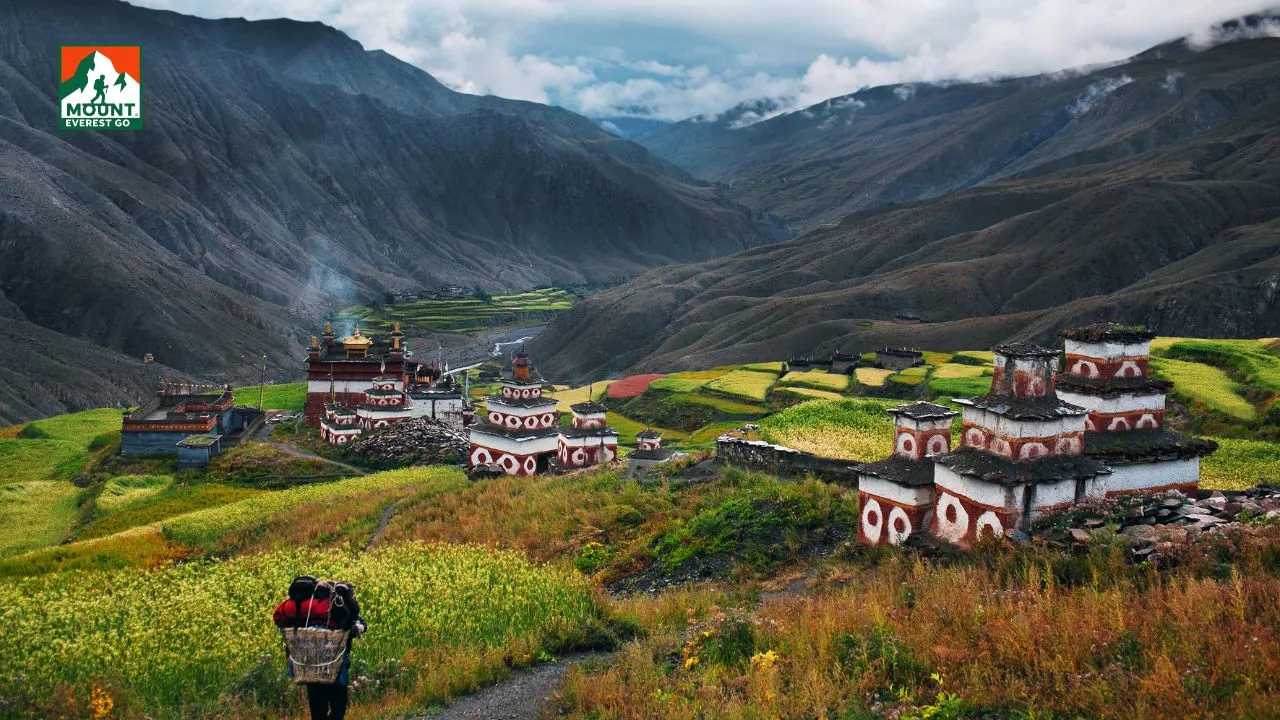
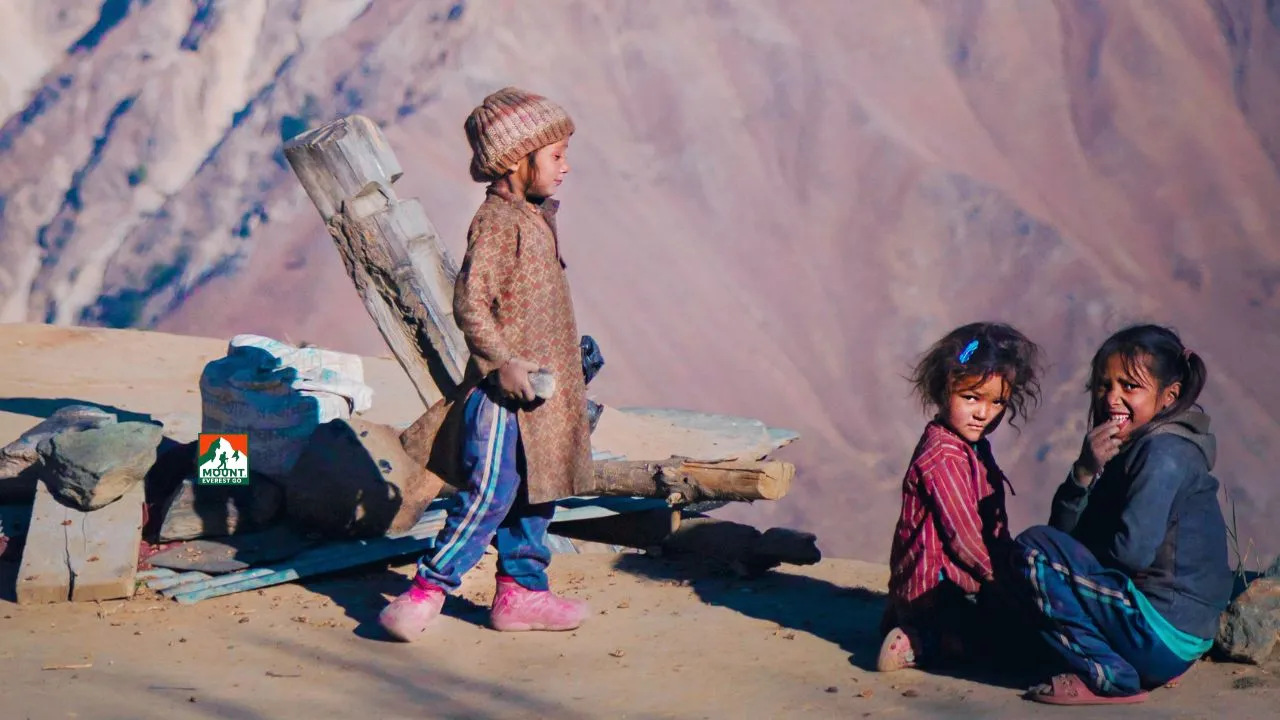
  • Visit remote monasteries and villages where Bon Buddhism is still practiced.
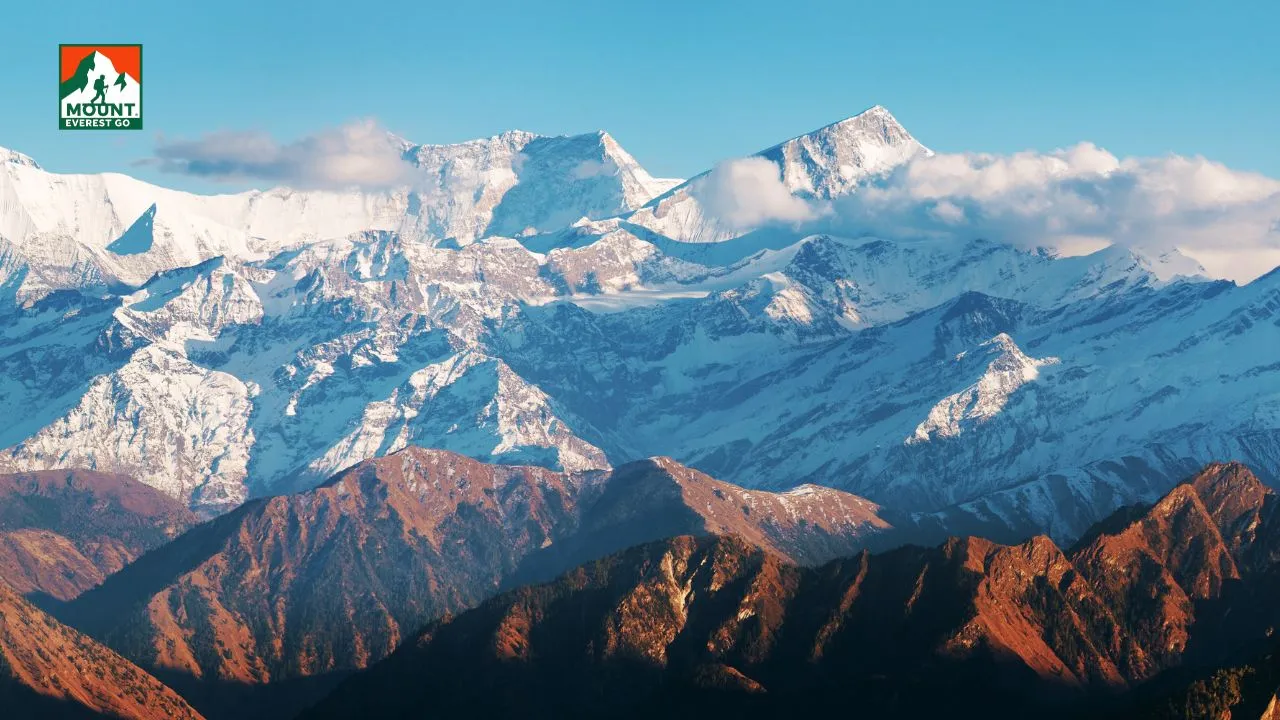
  • Panoramic views of Dhaulagiri and other high Himalayan peaks.

Upper Dolpo Circuit Trek Itinerary

  • Day
    01

    Kathmandu to Nepalgunj 150m

    Take a scenic flight from Kathmandu to Nepalgunj, a lively town in western Nepal, located near the Indian border. This lowland city is warmer and provides a different cultural atmosphere compared to Kathmandu. Overnight stay in a hotel.

    Breakfast
    Home Stay
  • Day
    02

    Nepalgunj to Jhupal (2,320 m / 7,611 ft) and Trek to Dunai (2,850 m / 9,350 ft)

    Fly early morning to Jhupal with stunning mountain views during the flight. From Jhupal, begin a short trek along the Thuli Bheri River valley to reach Dunai, the district headquarters of Dolpo.

    Breakfast + Lunch + Dinner
    Camping
  • Day
    03

    Dunai to Ankhe (2,896 m / 9,501 ft)

    Leave Dunai and follow a riverside trail through scattered villages and cultivated fields. The path gradually ascends through pine forests until you reach Ankhe, a small settlement at the entrance of Shey Phoksundo National Park.

    Breakfast + Lunch + Dinner
    Camping
  • Day
    04

    Ankhe to Sulighat (3,180 m / 10,433 ft)

    Today’s walk is scenic but challenging, with ups and downs along narrow gorges. You’ll pass through forested sections and cross several suspension bridges before arriving at Sulighat, a small riverside campsite.

    Breakfast + Lunch + Dinner
    Camping
  • Day
    05

    Sulighat to Phoksundo Lake (3,612 m / 11,850 ft)

    The highlight of the day is reaching Phoksundo Lake, one of Nepal’s most beautiful natural wonders. The turquoise-blue waters surrounded by cliffs and forests make it a magical sight. On the way, you pass through Ringmo village, a traditional Bon settlement

    Breakfast + Lunch + Dinner
    Camping
  • Day
    06

    Acclimatization at Phoksundo Lake (3,612 m / 11,850 ft)

    Spend the day exploring the area around Phoksundo Lake. You can hike up to viewpoints for panoramic photos, visit the Bon monastery in Ringmo, or simply relax by the tranquil lake

    Breakfast + Lunch + Dinner
    Camping
  • Day
    07

    Phoksundo to Phoksundo Khola Camp (3,507 m / 11,505 ft)

    The trail leaves the lake behind and follows a remote valley along glacial rivers. The terrain becomes rugged, with rocky cliffs and streams to cross before camping near Phoksundo Khola

    Breakfast + Lunch + Dinner
    Camping
  • Day
    08

    Phoksundo Khola Camp to Phoksundo Bhanjyang (3,910 m / 12,828 ft)

    A long day of trekking as you gradually climb through steep valleys and moraine ridges. The campsite at Phoksundo Bhanjyang offers dramatic mountain scenery and is a gateway to the high passes ahead.

    Breakfast + Lunch + Dinner
    Camping
  • Day
    09

    Phoksundo Bhanjyang to Shey Gompa (4,500 m / 14,763 ft)

    Cross a high pass and descend into the mystical valley of Shey Gompa. This 800-year-old monastery, often called the “spiritual heart of Dolpo,” is surrounded by sacred mountains, including Crystal Mountain.

    Breakfast + Lunch + Dinner
    Camping
  • Day
    10

    Acclimatization at Shey Gompa (4,500 m / 14,763 ft)

    A rest and exploration day. Visit the monastery, interact with local monks, and hike around the valley to sacred sites. This is one of the most culturally enriching stops of the trek.

    Breakfast + Lunch + Dinner
    Camping
  • Day
    11

    Shey Gompa to Namduna Gaon (4,800 m / 15,748 ft)

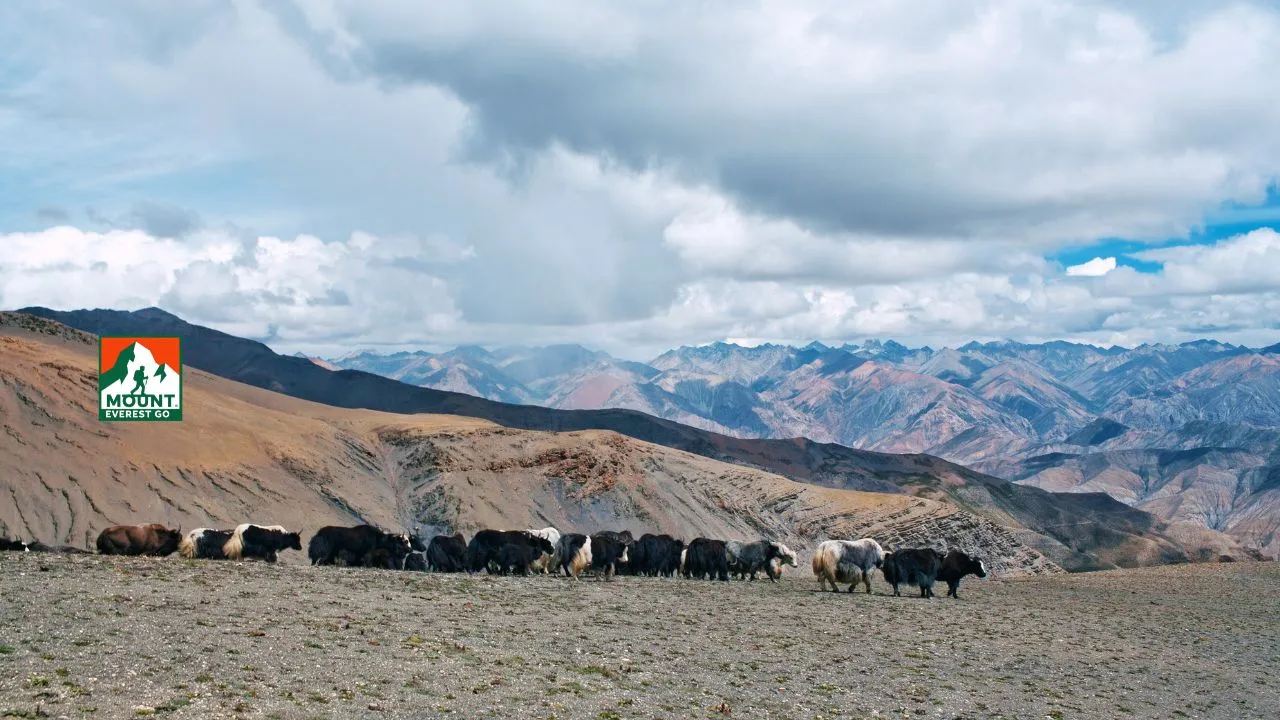
    Trek through yak pastures and barren landscapes. The trail passes across high meadows before reaching Namduna Gaon, a small village known for its centuries-old monastery.

    Breakfast + Lunch + Dinner
    Camping
  • Day
    12

    Namduna Gaon to Saldang (3,620 m / 11,876 ft)

    The trek descends into the broad, fertile valley of Saldang, one of the largest and most prosperous villages in Dolpo. The settlement reflects Tibetan lifestyle and culture, with terraced fields, stone houses, and prayer flags.

    Breakfast + Lunch + Dinner
    Camping
  • Day
    13

    Saldang to Yangze Gompa (4,960 m / 16,272 ft)

    Head north, following the Nam Khong river. Pass remote hamlets before reaching Yangze Gompa, a historic monastery hidden in the cliffs. This is a less-visited, tranquil corner of Dolpo.

    Breakfast + Lunch + Dinner
    Camping
  • Day
    14

    Yangze Gompa to Sibu (4,560 m / 14,960 ft)

    Retrace your steps part of the way, then follow a trail along the river until reaching Sibu, a small riverside campsite surrounded by open valleys.

    Breakfast + Lunch + Dinner
    Camping
  • Day
    15

    Sibu to Jeng La Phedi (4,900 m / 16,075 ft)

    Climb steadily through high-altitude terrain to the base of Jeng La Pass. The campsite here is stark but offers clear night skies and dramatic mountain views.

    Breakfast + Lunch + Dinner
    Camping
  • Day
    16

    Jeng La Phedi to Tokyu Gaon (4,209 m / 13,809 ft) via Jeng La Pass (5,670 m / 18,602 ft)

    This is one of the most challenging days of the trek. A steep ascent takes you to Jeng La Pass, the highest point of the journey, where panoramic views of Dhaulagiri and other Himalayan giants await. A long descent brings you to Tokyu Gaon, a large valley settlement.

    Breakfast + Lunch + Dinner
    Camping
  • Day
    17

    Tokyu Gaon to Dho Tarap (4,040 m / 13,254 ft)

    Walk through cultivated fields and traditional villages to reach Dho Tarap. This picturesque settlement is home to both Bon and Buddhist monasteries, offering deep cultural insights.

    Camping
  • Day
    18

    Rest Day at Dho Tarap (4,040 m / 13,254 ft)

    Spend the day exploring Dho Tarap and nearby monasteries. The valley is rich in traditions, and you may witness locals practicing both Bon and Tibetan Buddhism.

    Breakfast + Lunch + Dinner
    Camping
  • Day
    19

    Dho Tarap to Tarap Khola (3,800 m / 12,467 ft)

    Descend into the rugged gorge of Tarap Khola, camping by the riverbank under starry skies.

    Breakfast + Lunch + Dinner
    Camping
  • Day
    20

    Tarap Khola to Khani Gaon (3,150 m / 10,334 ft)

    Continue through narrow gorges and rocky trails until reaching Khani Gaon, a small settlement with terraced fields.

    Breakfast + Lunch + Dinner
    Camping
  • Day
    21

    Khani Gaon to Tarakot (2,537 m / 8,323 ft)

    The trail gradually descends to Tarakot, once an important trading post with an old fortress and monasteries.

    Camping
  • Day
    22

    Tarakot to Dunai (2,850 m / 9,350 ft)

    A pleasant final walking day following the Bheri River back to Dunai.

    Breakfast + Lunch + Dinner
    Camping
  • Day
    23

    Dunai to Jhupal (2,320 m / 7,611 ft)

    A short trek leads to Jhupal, where you’ll spend your last night in Dolpo.

    Breakfast + Lunch + Dinner
  • Day
    24

    Jhupal to Nepalgunj (150 m / 492 ft) – Kathmandu (1,400 m / 4,265 ft) (Flight)

    Fly back to Nepalgunj and onward to Kathmandu, completing your Dolpo adventure.

    Breakfast + Lunch + Dinner
    3 Stars Hotel

Cost Includes

  • 22 nights of camping accommodation
  • 1 night hotel stay in Nepalgunj
  • Professional trekking guide, cook, and porters
  • Round-trip domestic flights (Kathmandu – Nepalgunj – Jhupal)
  • Shey Phoksundo National Park permit
  • Restricted area permit
  • All veg meals during the trek (breakfast, lunch, dinner)

Cost Excludes

  • Travel insurance is mandatory and must cover high altitude Heli rescue
  • Lunch and dinner in Nepalgunj

[wte_itinerary_downloader]

Packing list for Dolpo Circuit Trek

  • Trekking boots and layered clothing
  • Sleeping bag (rentable in Kathmandu)
  • Down jacket (rentable in Kathmandu)
  • Personal toiletries & first aid kit
  • Headlamp, batteries, and power bank
  • Camera & essential electronics

(We can help arrange rental gear in Kathmandu before your trek begins.)

Read Before your book Upper Dolpo Circuit Trek

  • Difficulty: This is a challenging trek, suitable for trekkers with prior multi-day high-altitude experience.
  • Best Season: Spring (April–May) and autumn (September–October).
  • Permits Required: Restricted area permit & Shey Phoksundo National Park entry permit.
  • Accommodation: Full camping trek, no teahouses in this region.
  • Group Size: Minimum 2 trekkers required.

FAQs

How difficult is the Upper Dolpo Circuit Trek?

The trek is considered challenging. It involves multiple days above 4,000 meters, steep ascents, and crossing Jeng La Pass (5,670 m / 18,602 ft). It is best suited for trekkers with prior experience in long, high-altitude treks.

How many hours will I trek each day?

On average, you will trek 5–7 hours per day. Some shorter acclimatization days may only involve 3–4 hours, while longer days, such as the pass crossings, can take up to 8–9 hours.

Do I need special permits for this trek?

Yes. Since Upper Dolpo is a restricted area, you will need a Restricted Area Permit in addition to the Shey Phoksundo National Park Permit. These are arranged by your trekking agency.

What kind of accommodation is available?

Unlike popular trekking regions, Upper Dolpo does not have teahouses. Accommodation is full camping with tents, dining tents, and kitchen crew provided by your trekking operator.

When is the best time to trek in Upper Dolpo?

The best seasons are:

  • Spring (April–May): Clear skies, wildflowers, stable weather.
  • Autumn (September–October): Crisp air, excellent mountain views, dry conditions.

Can beginners do the Upper Dolpo Circuit Trek?

This trek is not recommended for beginners. You should have experience in multi-day treks and good physical fitness. Trekkers should also be comfortable at altitudes above 5,000 meters.

What are the risks of altitude sickness?

Yes, altitude sickness is a concern because the trek spends many days above 4,000 m. The itinerary includes acclimatization days (Phoksundo, Shey Gompa, Dho Tarap) to reduce risks. Trekking guides carry first aid and can arrange evacuation in emergencies.

What should I pack for this trek?

Essential items include: sturdy trekking boots, layered clothing, sleeping bag, down jacket, personal toiletries, power bank, headlamp, and trekking poles. Sleeping bags and down jackets can be rented in Kathmandu.

How do I get to the starting point of the trek?

You will take a domestic flight from Kathmandu to Nepalgunj, followed by another short flight from Nepalgunj to Jhupal. The trek officially starts at Dunai, a short walk from Jhupal.

What happens if the flight to Jhupal is delayed?

Flights to Jhupal are weather-dependent and delays are common. It’s recommended to keep 1–2 buffer days at the end of your trip in case of flight cancellations.

Do I need travel insurance?

Yes. You must have travel insurance that covers high-altitude trekking and emergency helicopter evacuation. Without this, rescue operations become extremely difficult.

Why should I choose Upper Dolpo over other treks in Nepal?

Upper Dolpo offers a rare, authentic experience away from crowds. You’ll see ancient Bon monasteries, turquoise Phoksundo Lake, high mountain passes, and untouched Tibetan-influenced culture. If you want wilderness and raw adventure, this trek is unmatched.