

Nepal offers some of the most iconic trekking routes in the world, from the Everest region to the Annapurna and Manaslu circuits. While these trails are open year-round, choosing the right season can make your journey safer, more comfortable, and more rewarding. Understanding Nepal’s weather patterns helps trekkers plan better and enjoy clear views, stable trails, and pleasant temperatures. This guide explains the best trekking seasons, what to expect in each, and how different routes behave throughout the year.
If you are planning a combined travel experience, you can also explore this option: All Nepal Tour

Nepal Tour for senior citizens is a thoughtfully designed 14-day journey showcasing the best of Nepal. From the Himalayan sunrise…
Overview of Nepal Trekking Seasons
Nepal has four main trekking seasons, each offering a different experience:
- Autumn (September to November)
- Spring (March to May)
- Winter (December to February)
- Monsoon (June to August)
Autumn: The Best Overall Season for Trekking
Autumn is widely considered the best time to trek in Nepal. The monsoon clears the dust and pollution, leaving behind crisp air and excellent visibility.
What to Expect
- Stable weather and clear mountain views
- Comfortable daytime temperatures
- High trail activity, especially on popular routes
Best Routes in Autumn
- Everest Base Camp
- Annapurna Base Camp
- Annapurna Circuit
- Manaslu Circuit
- Langtang Valley
Autumn is the ideal choice for first-time trekkers who want reliable weather and spectacular scenery.
Spring: Beautiful Weather and Blooming Trails
Spring is the second most popular trekking season in Nepal. The forests come alive with rhododendron blooms, making the trails colourful and scenic.
What to Expect
- Mild temperatures
- Increasing visibility as the season progresses
- Clear mornings and slightly hazy afternoons
Best Routes in Spring
- Ghorepani–Poon Hill
- Mardi Himal
- Everest Three Passes
- Manaslu with Tsum Valley
Spring is perfect for trekkers who enjoy vibrant landscapes and moderate weather.
Winter: Cold but Quiet and Peaceful
Winter brings cold temperatures, especially at higher elevations, but it also offers solitude and crystal-clear skies.
What to Expect
- Very cold mornings and nights
- Quiet trails and peaceful lodges
- Limited access to high passes due to heavy snow
Best Routes in Winter
- Lower Everest Region
- Langtang Valley
- Helambu
- Poon Hill
Winter is suitable for trekkers who prefer less-crowded trails and are prepared for cold conditions.
Monsoon: Green Landscapes and Off-Season Adventures
Monsoon season brings heavy rain across most of Nepal, making many trails slippery and challenging. However, certain rain-shadow areas remain ideal for trekking.
What to Expect
- Frequent rain at lower elevations
- Warm and humid weather
- Lush green landscapes
Best Routes in Monsoon
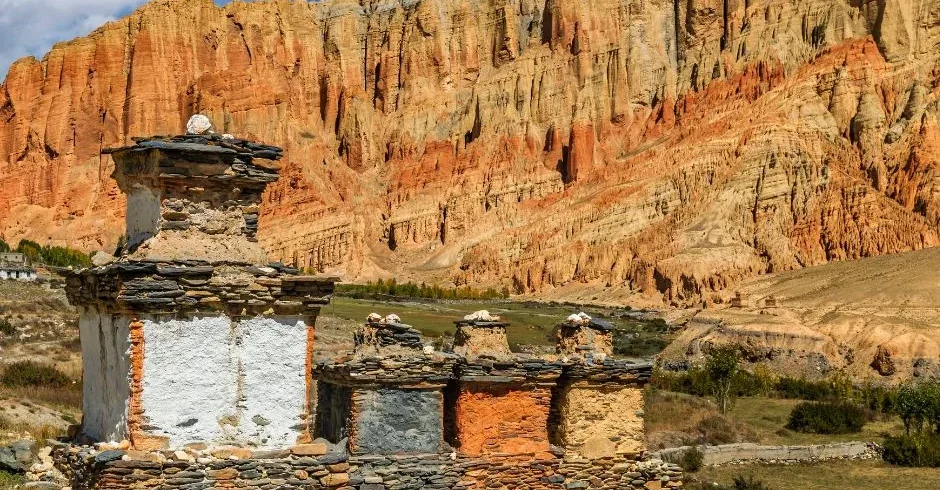
- Upper Mustang
- Upper Dolpo
- Nar–Phu Valley
Monsoon trekking is best for travellers seeking unique remote journeys and cultural experiences.
Route-Specific Best Seasons
Everest Base Camp
- Best season: Autumn and Spring
- Avoid: Heavy winter snow and monsoon clouds
Annapurna Circuit
- Best season: Autumn and Spring
- Avoid: Monsoon landslides and winter pass closures
Langtang Valley
- Best season: Spring and Autumn
- Winter possible with proper gear
Manaslu Circuit
- Best season: Autumn and Spring
- Restricted in winter due to snow in Larke Pass
Conclusion
Nepal’s trekking seasons offer something for every type of traveller. Autumn provides the best overall conditions, spring brings colourful forests, winter offers quiet trails, and monsoon allows access to unique rain-shadow regions. Knowing the seasonal conditions helps you choose the perfect time for your trek and ensures a safer, more enjoyable experience.
Whether you are trekking to Everest Base Camp, exploring the Annapurna region, or planning a cultural journey across the country, choosing the right season will greatly enhance your adventure.

 English
  Deutsch
  Svenska
  Dansk
Dansk  Русский
  Français
  Português
  Español
  Polski
  简体中文
简体中文  日本語
日本語  ไทย
ไทย  العربية