


The Larkya Peak Climbing (6,249m) is a thrilling mountaineering journey in Nepal’s remote Manaslu Conservation Area. Opened for climbing in 2002, this hidden gem offers a perfect mix of trekking, culture, and technical adventure.
This 20-day expedition follows the scenic Manaslu Circuit Trail, passing through ancient Tibetan villages, lush forests, and glacial valleys before the final ascent of Thulo Larkya Peak. Ideal for trekkers with basic climbing experience, the journey rewards you with panoramic views of Manaslu, Annapurna, Ganesh Himal, and Himlung Himal.
-
Jeep / Bus
-
1-10
-
Climbing
-
English
-
Hotel, Tea Houses and Camp
-
6249 Larkya Peak (Thulo Larkya Peak)
-
NMA Larkya Peak, MCAP, ACAP, and local entry
Overview of Larkya Peak Climbing
Larkya Peak Climbing is one of Nepal’s most exciting and less-crowded expeditions. Starting from Kathmandu, you’ll drive to Machhakhola and follow the legendary Manaslu Circuit Trek route.
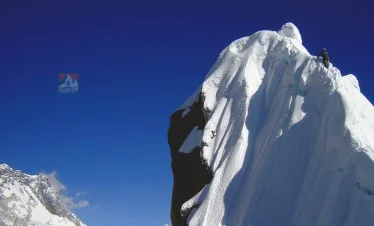
As you trek through Jagat, Namrung, Samagaon, and Samdo, you’ll explore diverse landscapes, cross suspension bridges, and experience traditional Buddhist culture. The climb itself involves glacier walks, ice slopes, and rope-assisted sections led by professional climbing Sherpas.
After summiting Larkya Peak (6,249m), the trail descends to Bhimthang and continues to Dharapani, before finally returning to Kathmandu.
This climb offers not only adventure but also deep cultural encounters, stunning Himalayan scenery, and solitude far from commercial trekking routes.
Highlights of Larkya Peak Climbing
- Summit Larkya Peak (6,249m) — a thrilling Himalayan climb in the Manaslu region
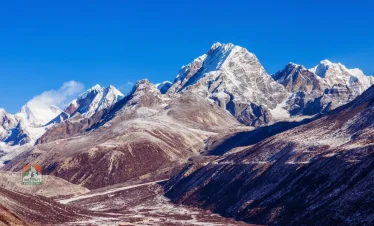
- Panoramic views of Manaslu, Annapurna, Himlung Himal, and Ganesh Himal
- Trek through scenic villages, monasteries, and rhododendron forests
- Experience the unique culture of Tibetan-influenced communities
- Learn and practice mountaineering techniques with professional guides
- Fewer crowds and untouched Himalayan beauty
Your journey begins with a warm welcome at Tribhuvan International Airport in Kathmandu. Our team will transfer you to your hotel, where you can relax and recover from your flight. In the evening, join a short briefing session about the climb and enjoy a welcome dinner with the team.
Spend the day preparing for your expedition. We’ll help check your climbing gear and finalize permits. Later, explore famous cultural sites in Kathmandu Valley such as Swayambhunath (Monkey Temple), Boudhanath Stupa, and Pashupatinath Temple.
A long scenic drive along the Trishuli River takes you to Machhakhola in the Gorkha district — the starting point of your trek. You’ll pass through beautiful hills, waterfalls, and small towns.
Duration: 8–9 hours drive
The trek begins along the Budhi Gandaki River. You’ll cross several suspension bridges and pass through Gurung and Magar villages. The trail gradually climbs to the small village of Jagat.
Duration: 6–7 hours trek
Today’s trail passes through lush forests and terraced fields. You’ll enjoy views of Shringi Himal before reaching Deng, a small village surrounded by scenic cliffs and farmlands.
Duration: 6 hours trek
You’ll walk through rhododendron forests and cross several small streams. The trail climbs gently to Namrung, a lovely Buddhist village offering great mountain views.
Duration: 6–7 hours trek
A beautiful trekking day through Lho and other Tibetan-style settlements. You’ll see monasteries and prayer walls before reaching Shyala, surrounded by snow-capped peaks like Manaslu and Himalchuli.
Duration: 6 hours trek
Today’s walk takes you to Pung Gyen Glacier, offering breathtaking views of Manaslu and surrounding peaks. Continue on to Samagaon, a large Sherpa village rich in culture.
Duration: 5–6 hours trek
Spend a rest day in Samagaon to adjust to the altitude. You can take a short hike to Manaslu Base Camp or visit the local monastery. This helps your body prepare for higher elevations.
A short but scenic walk through yak pastures and juniper forests leads to Samdo, a Tibetan-style village near the border with Tibet.
Duration: 4–5 hours trek
The trail climbs gradually through rocky landscapes with views of the Manaslu range. Dharamsala is the last stop before the base camp.
Duration: 4–5 hours trek
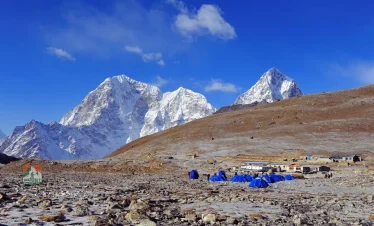
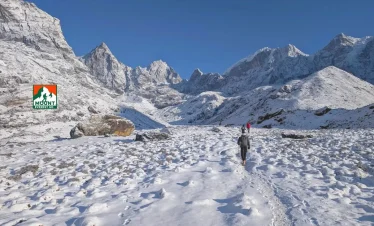
Today you’ll reach Larkya Base Camp — your main climbing base. The terrain becomes icy and rugged. The camp will be set up with tents, dining areas, and kitchen facilities.
Duration: 4–5 hours trek
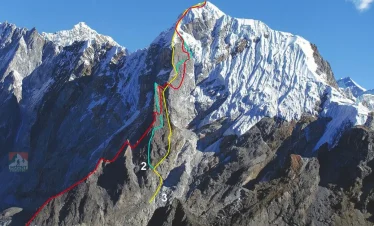
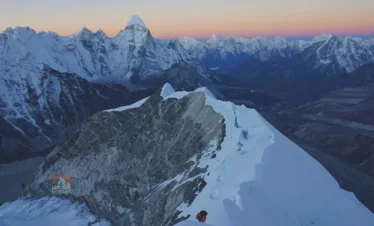
Over these four days, your team will acclimatize, set up high camps, and make the summit attempt. With guidance from your climbing Sherpa, you’ll reach the top of Larkya Peak for breathtaking panoramic views of Manaslu, Himlung, Annapurna, and Ganesh Himal.
After summiting, descend carefully back to Bhimthang for a well-earned rest.
A beautiful descent through rhododendron and pine forests takes you to Dharapani, where the Manaslu and Annapurna trails meet.
Duration: 6–7 hours trek
Take a private jeep ride back to Kathmandu. The drive passes through beautiful countryside and mountain roads. Upon arrival, check into your hotel and enjoy a relaxing evening.
Duration: 8–9 hours drive
A free day to explore the city, buy souvenirs, or rest after the climb. You may also choose to visit Patan or Bhaktapur. In the evening, enjoy a farewell dinner with the team.
After breakfast, our team will transfer you to the international airport for your flight home. We hope you leave with unforgettable memories of your Larkya Peak adventure.
Include Exclude in Larkya Peak Climbing Packages
Include
- Airport transfers (arrival & departure)
- 4 nights hotel in Kathmandu with breakfast
- Welcome and farewell dinner in Kathmandu
- Climbing permits: NMA Larkya Peak, MCAP, ACAP, and local entry fees
- Private jeep transport (Kathmandu–Machhakhola and Dharapani–Kathmandu)
- Licensed climbing guide and porter (2:1 ratio)
- All meals during trek & climb (breakfast, lunch, dinner with tea/coffee)
- Accommodation in lodges, tents at base and high camps
- Expedition equipment transport
- Group climbing gear, fixed ropes, and high-altitude tents
- Staff insurance, salary, food, and lodging
- Weather forecasts, medical kit, and climbing certificate
Exclude
- International airfare and Nepal visa
- Lunch and dinner in Kathmandu
- Personal insurance (mandatory high-altitude rescue coverage)
- Extra hotel nights in case of early return or delay
- Alcoholic drinks, soft beverages, laundry, or hot showers
- Personal climbing gear (crampons, harness, etc.)
- Tips and summit bonus for Sherpa guides (recommended: $200–$300)
- Drone/filming permits or other unlisted services

Packing List to climb Larkya Peak
Packing smart is essential for a safe and successful climb. The weather in the Manaslu region can change quickly, so you should be prepared for both warm trekking days and freezing summit nights. Here’s a detailed list of what to bring:
Clothing
- Lightweight trekking shirts and pants (quick-dry fabric)
- Thermal base layers (top and bottom)
- Insulated down jacket for cold nights
- Fleece or softshell jacket
- Waterproof and windproof outer shell (jacket and pants)
- Warm hat, sun hat, and neck buff
- Mountaineering gloves (inner and outer pairs)
- Several pairs of warm trekking socks
Footwear
- Sturdy trekking boots (already broken in)
- Mountaineering boots suitable for crampons
- Camp shoes or sandals for evenings
- Gaiters to keep snow and dust out
Technical Gear
(If you don’t have these, they can be rented in Kathmandu)
- Climbing harness and carabiners
- Helmet
- Crampons
- Ice axe
- Ascender and descender
- Climbing rope (provided by the guide)
Sleeping & Camping Gear
- Sleeping bag (rated to –20°C or lower)
- Sleeping pad or inflatable mattress
- Lightweight liner for extra warmth
- Headlamp with spare batteries
Personal Essentials
- Sunglasses with UV protection
- Sunscreen and lip balm (SPF 30+)
- Water bottles or hydration system
- Personal first-aid kit (with altitude medicine)
- Trekking poles
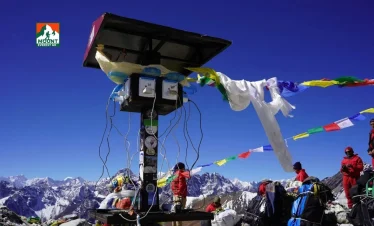
- Power bank or solar charger
- Toiletries and quick-dry towel
Documents & Money
- Passport and extra photos
- Travel insurance (including high-altitude evacuation)
- Cash in Nepali Rupees for local expenses
Read Before you Book Larkya Peak
Before you confirm your Larkya Peak Climb, please review these important details to ensure a smooth and enjoyable expedition.
Fitness and Preparation
This climb requires good physical fitness and prior trekking experience at high altitude. Previous climbing experience is helpful but not mandatory. Regular cardio and endurance training are recommended for at least six weeks before the trip.
Altitude and Acclimatization
The climb involves trekking and sleeping above 5,000 meters. Our itinerary includes gradual ascent and rest days for proper acclimatization. Listen to your guide and stay hydrated to minimize the risk of altitude sickness.
Trip Organization
You will be led by an experienced government-licensed climbing guide supported by assistant guides, porters, cooks, and Sherpas.
Your guide ensures team safety, gives technical advice, and coordinates daily logistics.
Porters carry your main baggage (up to 25 kg per person). The team uses radio and satellite communication for emergencies, and weather forecasts are checked daily.
Accommodation includes hotels in Kathmandu, tea houses during the trek, and full camping setups at base and high camps.
Weather and Best Season
The best months to climb Larkya Peak are March to May and September to November, when the weather is stable and visibility is clear. Winter climbs are possible for experienced mountaineers with proper gear.
Safety and Insurance
All climbers must have insurance that covers emergency helicopter evacuation up to 6,000 meters. We prioritize safety and reserve the right to modify or cancel the itinerary in case of bad weather or unforeseen circumstances.
Permits
You’ll need the Manaslu Restricted Area Permit, Manaslu Conservation Area Permit (MCAP), and Nepal Mountaineering Association (NMA) climbing permit for Larkya Peak. Mount Everest Go will arrange all necessary permits on your behalf.
Responsible Tourism
We follow Leave-No-Trace principles and encourage trekkers to respect local culture, religion, and the fragile mountain environment. Our expeditions employ local staff and use eco-friendly camping practices.
FAQ of Larkya Peak Climbing
It’s moderately technical. Basic use of crampons, ice axe, and ropes is required. Climbers with trekking or alpine experience can join.
The ideal months are April–May and October–November, offering stable weather and clear skies.
Prior trekking experience and basic climbing knowledge are highly recommended but not mandatory. Training is provided at base camp.
The main summit, Thulo Larkya Peak, stands at 6,249 meters, while the smaller Sano Larkya is at 5,807 meters.
Yes, all necessary permits (NMA, MCAP, ACAP, local entry) are included in the cost.
Proper acclimatization days are built into the itinerary. Guides monitor your health daily, and oxygen or rescue plans are in place if needed.
Small groups (2–10 participants) for a more personalized and safe experience.
Yes. The climb is guided by licensed Sherpas, with weather tracking and safety gear always in place.
Map for Larkya Peak Climbing








 English
  Deutsch
  Svenska
  Dansk
Dansk  Русский
  Français
  Português
  Español
  Polski
  简体中文
简体中文  日本語
日本語  ไทย
ไทย  العربية