

The Annapurna Circuit Trek in Nepal continues to attract thousands of trekkers from around the world, even after the government’s solo trekking ban in 2023.
According to the Annapurna Conservation Area Project (ACAP), a record 30,866 trekkers explored the route in 2024 — the highest number ever recorded. This shows that the solo trekking ban has not stopped adventure lovers from visiting one of the most beautiful trekking trails in the world.
A Record-Breaking Year for the Annapurna Circuit
When ACAP started keeping records in 1996, only 8,309 trekkers had completed the Annapurna Circuit. Today, the numbers have grown more than three times.
In 2024, there were 18,499 male and 12,362 female trekkers. Most trekkers visited during October and November, which are considered the best months for clear mountain views and pleasant weather.
Trekkers came from many countries, including India and China, which together made up a large portion of visitors.
Why the Annapurna Circuit Is So Popular, despite solo trekking ban
The Annapurna Circuit Trek is famous for its variety of landscapes and cultures. The route passes through lush forests, deep gorges, alpine meadows, and high mountain passes.
Trekkers can see some of the highest mountains in the world, including Annapurna I (8,091m), Dhaulagiri (8,167m), and Machhapuchhre (6,993m).
It also includes incredible natural wonders such as:
- Kali Gandaki Gorge, the world’s deepest gorge
- Tilicho Lake, the world’s highest freshwater lake
- Ghorepani Rhododendron Forest, the largest in the world
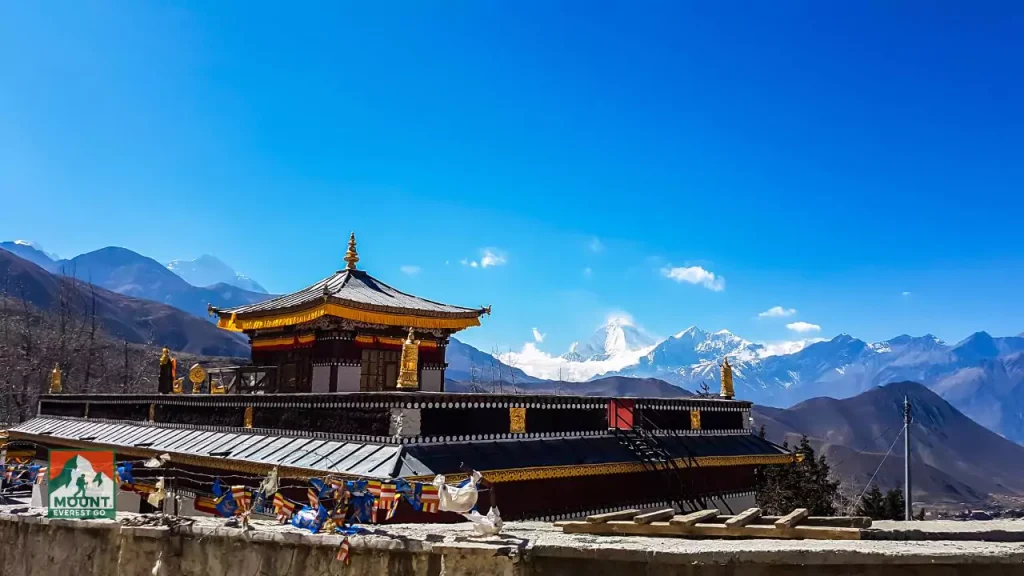
Culturally, the trail is rich with Buddhist monasteries, traditional villages, and Tibetan-influenced communities that make the journey both spiritual and scenic.
The Trek Today: Shorter and More Accessible
In the past, the Annapurna Circuit took about 23 days to complete, starting from Dumre and ending in Pokhara. But now, with new roads reaching higher up the trail, trekkers can complete the circuit in 7–10 days, depending on their route.
Popular sections include Manang, Tilicho Lake, Thorong La Pass, and Muktinath, which remain key highlights of the trek.
Tourism Recovery and Economic Growth
After the COVID-19 pandemic, trekking in Nepal has made a strong comeback. Trekker numbers increased from 15,855 in 2022 to 21,247 in 2023, and then jumped to 30,866 in 2024.
Hotels and lodges in Manang and Mustang were fully booked during the peak seasons, showing how important trekking is for the local economy.
Local communities have benefited from this growth, earning more income from tourism-related jobs like guiding, portering, and hospitality.
A Legacy of Adventure
The Annapurna region first opened to foreigners in 1977. But its fame began earlier, in 1950, when French climbers Maurice Herzog and Louis Lachenal became the first to summit Annapurna I — the first 8,000-meter peak ever climbed.
Herzog’s book Annapurna, published in 1952, inspired millions of people around the world to visit Nepal and helped make the country one of the top trekking destinations globally.
The Future of Annapurna Trekking
Experts say the future of the Annapurna Circuit Trek depends on sustainable tourism — balancing visitor growth with environmental protection.
Better investment, improved marketing, and community involvement are key to maintaining its status as one of the world’s greatest trekking routes.
With its mix of culture, nature, and adventure, the Annapurna Circuit remains a symbol of Nepal’s beauty and resilience.


 English
  Deutsch
  Svenska
  Dansk
Dansk  Русский
  Français
  Português
  Español
  Polski
  简体中文
简体中文  日本語
日本語  ไทย
ไทย  العربية