

Dreaming of hiking in Nepal? You’re picturing soaring peaks like Everest, ancient monasteries, and trails that lead to the top of the world. It’s an adventure of a lifetime. However, understanding the challenges of hiking in Nepal is the crucial first step between dreaming and successfully doing. This isn’t your average weekend hike; the Himalayas demand respect and thorough preparation.
Many trekkers arrive unprepared for the unique difficulties this region presents. From the thin air to the rugged terrain, being aware of these hurdles is essential for a safe and rewarding journey. Based on our extensive experience on these trails, this guide breaks down the primary challenges and provides practical, expert advice on how to conquer them.
1. Altitude Sickness: The Ultimate Hiking Challenge
By far the most serious challenge of hiking in Nepal is Acute Mountain Sickness (AMS). It’s a non-negotiable factor on nearly every popular trek. As you climb higher, the oxygen level in the air drops, and your body needs time to adapt. Pushing too high, too fast can lead to serious health risks.
Recognizing the Symptoms
AMS can feel like a severe hangover and its early signs must be taken seriously. Key symptoms include:
- A persistent, throbbing headache
- Nausea and loss of appetite
- Dizziness and fatigue
- Difficulty sleeping
These symptoms are a clear signal from your body to stop ascending. Ignoring them is a dangerous gamble that can lead to life-threatening conditions. The number one rule on the mountain is to never climb higher if you are experiencing symptoms of AMS.
How to Mitigate This Challenge
Your best defense is a smart itinerary built around acclimatization. This means slow, gradual ascents and planned rest days. Embrace the trekker’s motto: “climb high, sleep low.” This technique involves hiking to a higher elevation during the day before descending to sleep at a lower altitude, which significantly helps your body adapt.
Hydration is also key, so drink plenty of water. Crucially, listen to your guide and your body. If symptoms persist or worsen, the only effective treatment is to descend immediately.
2. Unpredictable Weather & Difficult Terrain
Another significant challenge of hiking in Nepal is the volatile mountain weather. The Himalayas dictate their own terms, and conditions can shift from sunny and calm to a full-blown blizzard in a matter of hours.
The Four-Seasons-in-One-Day Problem
A clear morning sky offers no guarantee for the afternoon. High passes can become blocked by snow, trails can turn icy, and thick fog can reduce visibility to almost zero. This unpredictability makes packing the right gear absolutely essential. Sturdy, broken-in hiking boots are non-negotiable. The secret to comfort and safety is layering your clothing and always carrying a high-quality waterproof and windproof jacket, no matter the forecast.
Navigating Rugged Trails
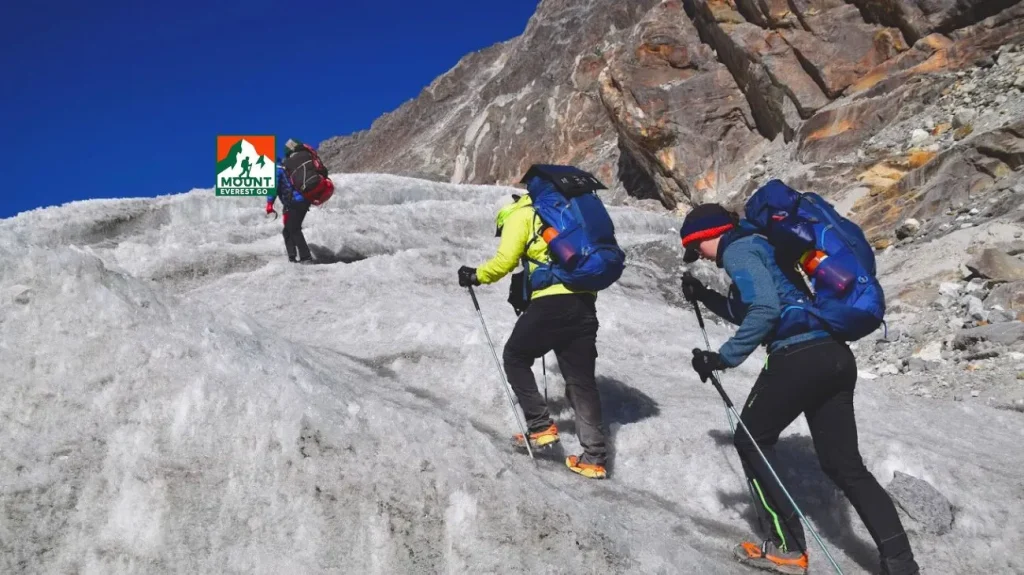
The terrain itself is one of the inherent trekking difficulties in Nepal. Be prepared for steep ascents and descents on rocky paths, seemingly endless stone steps, and high suspension bridges. Depending on the season, you may also face risks from landslides or river crossings. A good level of fitness is required to handle the physical demands of the trail day after day.
3. Health and Hygiene on the Trail
Maintaining your health is a major challenge when your body is already under the stress of high altitude and daily trekking. Simple illnesses can become more serious in remote mountain environments.
The Food and Water Dilemma
Traveler’s diarrhea is a common problem that can derail a trek. This is almost always caused by consuming contaminated food or, more commonly, water. To avoid this, never drink untreated water from taps or streams. The safest options are to buy sealed bottled water or, for a more eco-friendly and reliable solution, carry your own water filter or purification tablets. Stick to thoroughly cooked hot meals in teahouses and use hand sanitizer frequently.
4. Logistical Hurdles: The Challenge Before the Hike
Some of the biggest challenges of hiking in Nepal occur before you even reach the trailhead. Poor planning can lead to significant problems on your journey.
Permits and Mandatory Guides
You cannot trek in Nepal without the proper paperwork, which includes a TIMS (Trekkers’ Information Management Systems) card and relevant national park or conservation area permits. Furthermore, regulations now make it mandatory for foreign trekkers on most routes to hire a licensed local guide. This policy enhances safety and ensures trekkers have professional support.
Finding a Reputable Team
Choosing an ethical and reliable trekking company, guide, and porter is critical. Your guide is your most important asset for navigating trail hazards, recognizing AMS, and handling emergencies. Be cautious of suspiciously cheap options, as they often come at the expense of proper wages, insurance, or gear for the trekking staff.
5. The Physical and Mental Strain
Finally, do not underestimate the personal challenge. The daily grind of trekking for hours, combined with basic living conditions and the effects of altitude, is both a physical and mental test.
You must train before your trip with a focus on cardiovascular endurance and leg strength. Mentally, be prepared for long days, simple food, and being disconnected from your usual comforts. A positive mindset and the ability to be flexible are just as important as physical fitness.
By preparing for these challenges of hiking in Nepal, you set yourself up not for a trial, but for a triumph. A well-planned trek is a safe trek, allowing you to fully immerse yourself in the unparalleled beauty of the Himalayas.

 English
  Deutsch
  Svenska
  Dansk
Dansk  Русский
  Français
  Português
  Español
  Polski
  简体中文
简体中文  日本語
日本語  ไทย
ไทย  العربية