


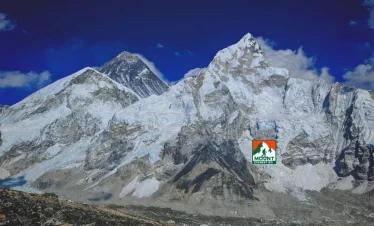
The Sherpani Col Pass Trek is a 24–30 day high-altitude expedition linking Makalu Barun National Park to the Everest region. This challenging trek involves glacier crossings, technical passes, and remote camping above 5,000 meters. Ideal for experienced trekkers, it offers breathtaking views of Makalu, Everest, Lhotse, Baruntse, and Ama Dablam. With expert guides, full logistics, and safety planning, this is one of Nepal’s most adventurous and least crowded trekking routes.
Why Choose the Sherpani Col Pass Trek?
- Cross three extreme Himalayan passes above 5,800m
- Experience remote Makalu wilderness
- Combine Makalu and Everest regions in one journey
- Minimal crowds compared to Everest Base Camp
- True expedition-style camping
- Spectacular views of 8,000m peaks
- Ultimate test of endurance and skill
This trek is perfect for adventurers who want something beyond commercial trekking routes.
-
6,143m
-
Lodge + Camping
-
Spring & Autumn
Sherpani Col Trek Overview
The Sherpani Col Pass Trek is one of the most demanding and remote high-altitude trekking expeditions in Nepal. Connecting the wild Makalu region with the Everest (Khumbu) region, this extraordinary journey crosses three technical mountain passes: Sherpani Col (6,135m), West Col (6,143m), and Amphu Laptsa (5,845m).
This is not a regular teahouse trek. It is a true Himalayan expedition designed for experienced trekkers with strong physical conditioning and some glacier travel knowledge.
If you are seeking one of the most extreme trekking adventures in Nepal, the Sherpani Col Pass Trek delivers unmatched wilderness, raw alpine beauty, and serious high-mountain challenge.
Sherpani Col Trek Highlights
- Sherpani Col Pass (6,135m)
- West Col Pass (6,143m)
- Amphu Laptsa Pass (5,845m)
- Makalu Base Camp exploration
- Glacier crossings and alpine camping
- Everest region descent via Chhukung and Namche
- Diverse landscapes: jungle, alpine meadows, ice fields
- Rare Himalayan biodiversity
Upon arrival at Tribhuvan International Airport, our representative will transfer you to your hotel in Kathmandu. After check-in, you may rest or explore the vibrant streets of Thamel.
Today we complete all necessary paperwork including permits for Makalu Barun National Park and Sagarmatha National Park. Final gear checks and expedition briefing.
Gradual ascent through terraced fields and forests to ridge-top Chichila with panoramic Himalayan views.
We trek through rhododendron, oak, and hemlock forests along a scenic ridge before descending steeply to Num village. This settlement offers sweeping views into the Arun Valley below.
A challenging day begins with a steep descent nearly 800m down to the Arun River. After crossing a long suspension bridge, we climb again through forested trails to Seduwa, located inside the Makalu Barun conservation region.
Today’s steady climb passes through terraced fields of rice and millet. Tashi Gaun is the last permanent settlement before entering true wilderness terrain. We take time to explore the village and interact with locals.
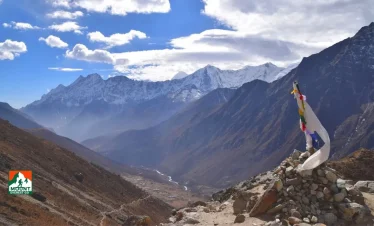
A demanding ascent through oak and rhododendron forest leads to alpine grazing lands. As vegetation thins, we reach Kahuma Ridge with dramatic Himalayan panoramas.
We cross Keke La (4,230m) and Tutu La (4,200m) passes before descending through forests into Mumbuk. This section offers expanding views of Makalu’s massive south face.
Descending into the Barun Valley, we cross the Barun River and follow a glacial valley toward high yak pastures at Nehe Kharka.
Today we reach Lower Makalu Base Camp at Sherson, with spectacular views of Baruntse and Makalu’s towering south face. The Barun Glacier stretches nearby.
An important acclimatization day. We take short hikes toward the glacier to improve adaptation and reduce AMS risk.
We gradually ascend toward the upper Barun Glacier basin, surrounded by icy peaks and moraine landscapes.
Following rugged glacier terrain below Makalu’s West Pillar, we ascend carefully over rocky moraine.
Final acclimatization before crossing technical passes. Preparation of ropes and climbing gear.
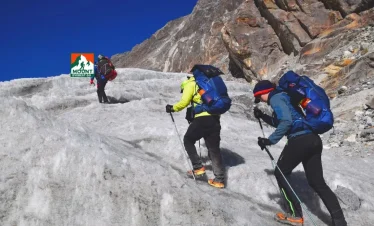
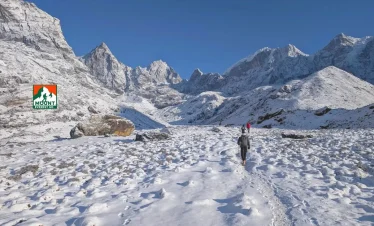
Expedition highlight. Early alpine start with fixed rope sections across snow and glacier. Stunning views of Makalu, Chamlang and Ama Dablam.
Technical crossing into the Everest region via Amphu Laptsa Pass.
Gradual descent and preparation for final descent into Imja Valley.
Challenging descent with breathtaking views of Lhotse and Island Peak.
Descending through Dingboche and Pangboche to Tengboche Monastery, heart of the Everest region.
Forest trail descent to Sherpa capital Namche Bazaar.
Final trekking day following the Dudh Koshi River valley.
Scenic flight back to Kathmandu.
Transfer to airport for onward journey.
Costs Includes
- Airport pickup and drop transfer (private vehicle)
- 3 nights 3-star hotel in Kathmandu with breakfast
- Kathmandu – Tumlingtar flight
- Lukla – Kathmandu flight
- Domestic airport taxes
- Three meals per day during trek (Breakfast, Lunch, Dinner)
- Fresh fruit every evening after dinner
- Tea house/lodge accommodation during lower trek
- Full tented camping during remote & high pass sections
- Two-man tents, kitchen tent, toilet tent, tables, chairs, mattresses
- Sleeping bag, down jacket, duffel bag, trekking poles (returnable)
- Makalu Barun National Park permit
- Sagarmatha National Park permit
- Khumbu Pasang Lhamu Rural Municipality fee
- Government licensed English-speaking guide
- Sherpa porters (1 porter for 2 trekkers)
- Guide & porter salary, insurance, food & accommodation
- High pass technical support (fixed ropes where required)
- First aid medical kit
- Pulse oximeter (oxygen saturation monitoring)
- Emergency helicopter arrangement support
- Government taxes & official service charges
- Trip completion certificate
Cost Excludes
- International airfare
- Nepal entry visa fee (available atobos at Tribhuvan International( Airport)
- Lunch and dinner in Kathmandu
- Personal travel & medical insurance (mandatory)
- Personal expenses (laundry, Wi-Fi, shopping, calls)
- Alcoholic and non-alcoholic beverages on trek
- Tea, coffee, mineral water, desserts, extra snacks
- Hot shower and battery charging during trek
- Kathmandu sightseeing entrance fees
- Tips for guide, porter, and driver
- Excess baggage over 15kg on domestic flights
- Expenses due to early return from trek
Things to Carry (Professional Packing List)
Clothing
Down jacket (-20°C rated)
Waterproof shell jacket & pants
Thermal base layers (2–3 sets)
Fleece jacket
Trekking pants (2 pairs)
Warm gloves (inner + outer)
Beanie & sun hat
Gaiters
Footwear
Mountaineering boots (crampon compatible)
Trekking shoes (for lower section)
Camp shoes
Wool socks (4–5 pairs)
Technical Gear
Crampons
Ice axe
Climbing harness
Helmet (recommended)
Carabiners & safety lanyard
(Some gear can be rented in Kathmandu.)
Sleeping & Personal Gear
Sleeping bag (-20°C to -30°C)
Sleeping liner
Headlamp with spare batteries
60–70L duffel bag
Daypack (30–40L)
Health & Hygiene
Sunscreen SPF 50+
Lip balm
Personal first aid kit
Water purification tablets
Wet wipes
Hand sanitizer
Miscellaneous
Trekking poles
Sunglasses (Category 4 glacier rated)
Power bank
Passport copies
Insurance documents
Know before you book
1. Experience Required
This is NOT a beginner trek. Prior high-altitude trekking (above 5,000m) is strongly recommended.
2. Physical Fitness
You must be capable of walking 7–10 hours daily with long ascents and glacier crossings.
3. Technical Sections
Sherpani Col and West Col involve:
- Crampon walking
- Possible fixed rope usage
- Steep snow & ice slopes
4. Weather Risk
High passes are highly weather-dependent. Snowfall can delay crossing.
5. Flight Delays
Lukla flights are frequently delayed. Buffer days are mandatory.
6. Insurance is Mandatory
Policy must cover:
- High altitude trekking up to 6,500m
- Helicopter evacuation
- Emergency medical treatment
7. Expedition Mentality
Expect basic facilities during camping days. This is a wilderness expedition.
FAQ's for Serpani Col Pass Trekking
It is an extreme expedition trek involving glacier crossings and technical passes above 6,000m.
The trek typically takes 25–30 days including acclimatization and buffer days.
Basic glacier travel and high-altitude trekking experience are strongly recommended.
West Col at 6,143 meters.
Yes. It is significantly more technical and physically demanding.
Spring and autumn seasons offer the most stable weather.
No. The high pass section requires full camping support.
Yes, but proper insurance coverage is required.






 English
  Deutsch
  Svenska
  Dansk
Dansk  Русский
  Français
  Português
  Español
  Polski
  简体中文
简体中文  日本語
日本語  ไทย
ไทย  العربية